
Types of Failures in Solar Energy Systems
Explore solar energy system failures: PV defects, electrical faults, inverter issues, shading and thermal anomalies, with inspection methods for verification.
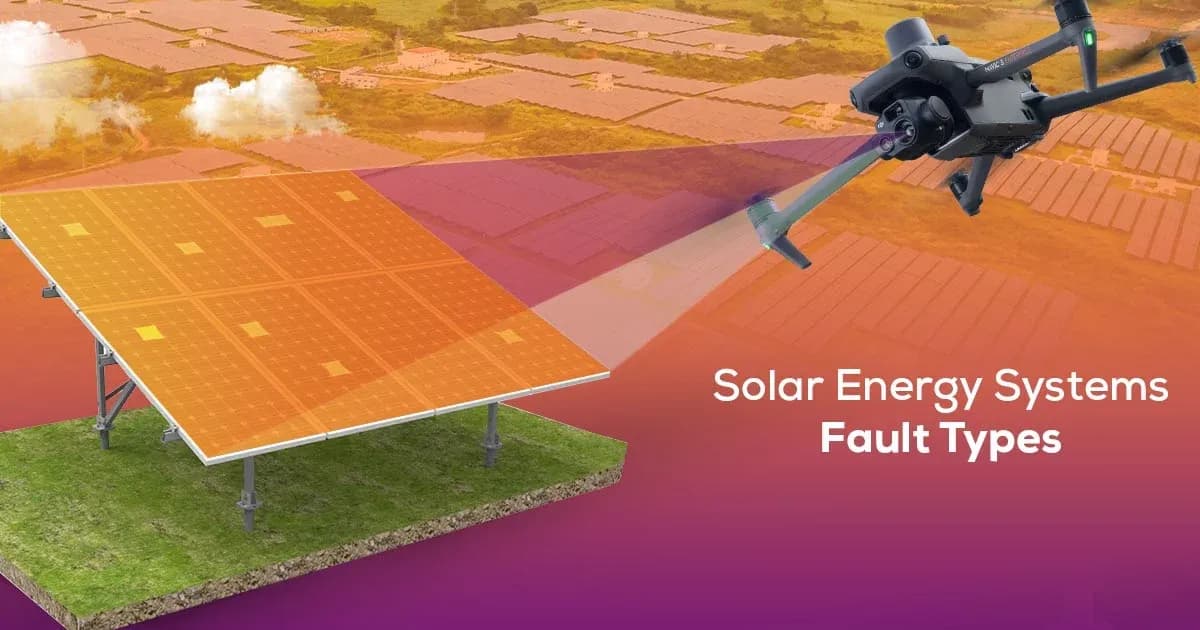
Solar energy system failures can occur in modules, DC wiring, inverters and, where installed, batteries. A low-production alert is not itself a diagnosis: weather, shading, curtailment and missing monitoring data can resemble equipment failure. Start by identifying the affected area and operating conditions, then combine inspection findings with electrical and inverter data.
Common Solar Energy System Failure Types
Photovoltaic panels are the main components that convert light from the sun into electricity. Over time, some panel failures can occur due to wear, weather conditions or manufacturing defects.
Common panel failures are as follows:
a. Fractures or Cracks: Impact, handling or installation damage can crack glass or cells. The safety and power consequences vary. Have a qualified technician assess the module and follow the manufacturer’s replacement or approved repair procedure; cosmetic patching does not restore electrical safety.
b. Power Losses: Soiling can be reversible through suitable cleaning, whereas cell damage, failed interconnections and aging need different responses. Cleaning does not prevent every failure or reverse permanent degradation. Compare weather-adjusted output before deciding on a remedy.
c. Shadowing Problems: The efficiency of panels under the shadow of surrounding objects decreases. Panel placement should be carefully planned for optimum efficiency.
Inverter Failures:
Inverters are devices that convert direct current (DC) from photovoltaic panels into alternating current (AC) that can be used for household electricity. Inverter failures can negatively affect the efficiency of the solar system.
Common inverter failures include:
a. Shutdowns and Fault Codes: Inverter alarms can indicate internal faults, but also grid conditions or protective operation. Preserve fault codes and timestamps, then follow the manufacturer’s diagnostic procedure. Repeatedly resetting an unexplained trip can obscure evidence and leave a hazard unresolved.
b. High Temperature Problems: Inverters can be exposed to high temperatures, which can adversely affect their performance. Temperature problems can be reduced with a good cooling system.
Battery Failures (Energy Storage Systems):
Batteries used for energy storage in solar energy systems can also cause failures.
Common battery failures are as follows:
a. Capacity Decline: Battery capacity changes with age, cycling and operating conditions. Follow the battery management system and manufacturer’s operating limits; maintenance cannot restore all lost capacity.
b. Overcharge and Discharge: When batteries are exposed to overcharging and discharging conditions, their life may be shortened. These situations can be prevented with control systems.
c. Thermal Problems: Abnormal battery temperature or safety alarms require the manufacturer’s response procedure. Do not open or improvise cooling for a damaged battery. Smoke, swelling or suspected thermal runaway calls for site emergency procedures and trained responders.
MapperX: A Comprehensive Artificial Intelligence Based Solution for Solar Power Plants
MapperX uses thermal inspection imagery and AI-assisted, human-reviewed analysis to organize suspected PV anomalies for maintenance review. Results depend on site conditions, data acquisition and validation. These findings complement, rather than replace, inverter logs, electrical measurements and on-site diagnosis.
Solar Panel Fault Detection with MapperX
A mapped finding is most useful when a technician can locate the affected asset, review the evidence and record the outcome. The distinction between a suspected anomaly and a verified fault should remain clear throughout the maintenance process.
Data Analysis and Anomaly Detection: Thermal and visible imagery can highlight abnormal heating, soiling, shading or visible damage. Not every crack is visible from the air, and a thermal pattern alone cannot establish its underlying cause.
Inspection Follow-up: Review reported anomalies against site priorities and assign field checks. Inspection-based analysis is not a substitute for live protective alarms or emergency response.
Reporting: Inspection reports describe conditions at the survey time. Assess ongoing production with the plant’s monitoring system; repeated surveys can document how visible and thermal findings change.
Advantages of MapperX:
- Helps teams prioritize suspected faults for verification and corrective action.
- Provides evidence for planning site visits and maintenance scope.
- Supports repair and warranty decisions; savings and service-life outcomes depend on the verified fault and action taken.
- It contributes to more environmentally sustainable and efficient energy production.
MapperX provides detailed reports on the performance of solar power plants. A user-friendly interface provides critical information such as efficiency analysis, energy production, solar panel status and maintenance planning reports. The reports help solar power plant owners make more informed decisions and optimize performance. Visit the website to learn more about “Failure Analysis and Fault Detection in Solar Panels” (Source).
A practical fault-triage sequence
- Check whether the loss affects one module, one string, one inverter or the entire site. A communication outage can create a blank dashboard without stopping generation.
- Compare the event with irradiance, temperature, grid availability and curtailment records. Compare similar strings under comparable conditions, not unrelated daily totals.
- Correlate thermal findings with visible images and the electrical layout. Qualified personnel can select appropriate current-voltage, insulation or connection checks.
- Record the confirmed cause, action, responsible person and follow-up measurement. Close the issue only when operation and safety have been checked.
Treat exposed conductors, arcing indicators and damaged electrical enclosures as safety issues before calculating lost revenue. PV circuits may remain energized in daylight even when AC supply is disconnected. The NREL O&M guide covers safety, documentation and maintenance planning; the PV faults guide explains common inspection findings.
Frequently asked questions
Does zero output in the monitoring portal prove the inverter has failed?
No. Check whether the portal is receiving data, whether daylight and grid conditions permit operation, and whether a protective shutdown or export restriction is active. Use local equipment records and qualified checks to distinguish these cases.
Can cleaning fix every underperforming solar panel?
No. Cleaning addresses surface contamination, not broken cells, insulation faults, failed connectors or inverter problems. Verify soiling first and compare performance after cleaning under comparable conditions.
Should a tripped inverter simply be restarted?
Only according to the manufacturer’s procedure after the cause has been assessed. Repeated trips, insulation alarms or signs of damage require qualified diagnosis rather than repeated resets.