
Solar Power Plant Project Approval Process
Solar power plant project approval process overview: design review, permits, grid requirements, commissioning documentation and technical acceptance.
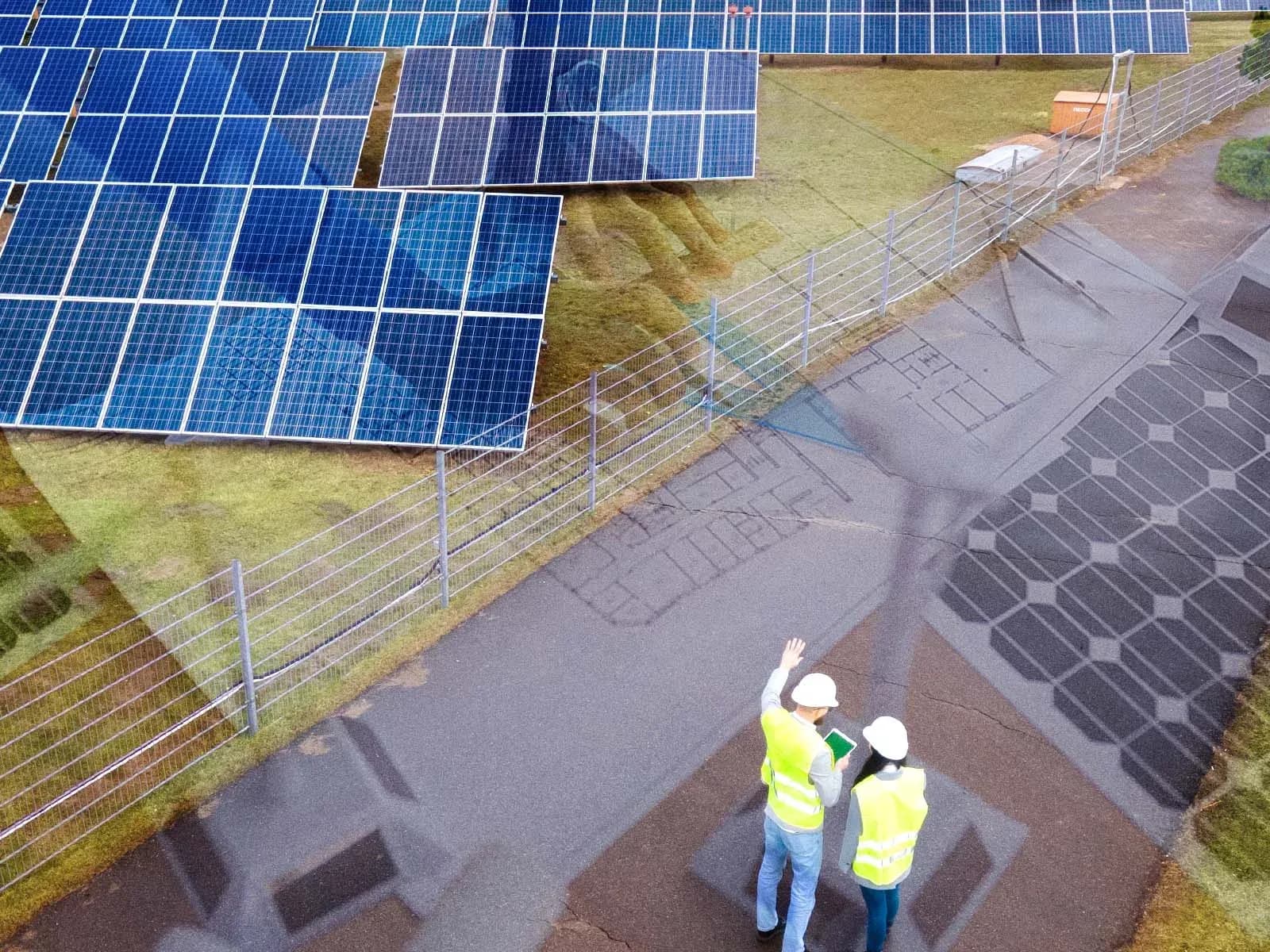
Solar power plant approval normally involves site and land-use checks, applicable construction or electrical permits, grid-connection review and commissioning documentation. The actual route depends on the country, local authority, plant size and connection type. Treat this article as a planning framework, not a universal permit checklist or legal determination.
1. Define the Project and Authorities: Record the site, ownership or land rights, proposed DC and AC capacity, connection point and intended operating arrangement. Identify the permitting bodies and grid operator responsible before finalizing the design.
2. Environmental Screening: Determine which environmental assessments or approvals apply to the location and project scale. A full environmental impact assessment is not automatically required for every PV installation; the competent authority determines the applicable route.
3. Site Feasibility: Check land use, access, environmental constraints, geotechnical or structural suitability and the practical grid-connection route. Resolve major constraints before committing to equipment and detailed construction plans.
4. Design and Construction Permissions: Submit the drawings, calculations and supporting documents required by the relevant authorities. Building, planning, electrical and other approvals may be separate; there is no single planning-board process that applies worldwide.
5. Commissioning and Authorization to Operate: Complete the inspections, tests, meter arrangements and grid-operator requirements that apply to the project. A construction permit is not automatically permission to energize or export electricity. Some jurisdictions also require a distinct operating license or permit.
These workstreams may run in parallel or depend on each other. Track each approval separately, including conditions, validity periods and design revisions. Technical completeness helps the review but does not guarantee approval or a fixed timeline.
If you are planning to develop a solar power plant project, it is important to comply with local regulations and take measures to minimize environmental impacts. It is advisable to cooperate with local authorities to speed up the approval process for your project.
Build the schedule around documented submission requirements and decision points. Grid studies, land matters, incomplete applications and design changes can affect timing. Confirm application-specific deadlines with the responsible authority rather than assuming a standard duration.
Engineering Calculations That May Support Review
The required engineering calculations depend on the installation and local rules. Common technical subjects include the following; this is not a claim that every item applies to every project:
- Power loss, voltage drop and solar DC cable calculations
- Maximum and minimum inverter DC input voltage calculations
- High Voltage and Low Voltage cable calculations, voltage drop and current carrying capacity
- Short circuit calculations
- Grounding and lightning rod installation calculations
- Internal requirement transformer power calculations (if any), Compensation plant calculations according to transformer rated powers and lighting and emergency lighting calculations
Correct calculations support design review and safe operation, but they do not replace permits, inspections, grid studies or authority decisions. Keep the calculation inputs consistent with the actual equipment and latest drawings.
Another issue to be considered is to make calculations with up-to-date and accurate data. It is recommended that investors work with experienced and specialized EPC companies when creating solar power plant projects.
Solar Power Plant Project Development with EPC Firms

Many investors cooperate with EPC companies for the development of solar power plant projects. EPC (Engineering, Procurement and Construction) firms offer a comprehensive solution to investors by managing the entire engineering, procurement and construction process for solar power plants.
EPC firms play an important role for solar power plants because they
- They specialize in project management and help investors to complete the project.
- They optimize the design, construction and operation phases to reduce project costs.
- They have strong supply chains and relationships to source equipment and materials used in solar power plant projects.
- An EPC contractor can prepare technical documentation and coordinate submissions within its agreed scope; the owner should verify responsibilities and retain the final approval records.
Since EPC firms play a crucial role in solar power plant projects, it is important for investors to choose the right EPC firm. Investors can increase project success and reduce costs by selecting an EPC firm that fits the requirements of the project.
How Inspection Evidence Supports EPC Handover
MapperX uses AI-assisted analysis of inspection imagery to organize suspected PV anomalies for review. Detection outcomes depend on image quality, operating conditions and the defect being investigated; no universal numerical accuracy is stated here. Findings require appropriate technical verification.
Inspection evidence can help an EPC team identify unresolved installation issues and organize corrective work before handover. It does not replace legally required tests, independent inspections or approval by the competent authority.
Keep inspection findings, corrective actions and verification results with the project handover record. See solar plant operation and maintenance for the responsibilities that continue after commissioning.
Keep permitting, interconnection and acceptance separate
Permitting concerns approval under the applicable construction, land-use and electrical rules. Interconnection concerns the interface with the electricity network. Commissioning demonstrates that the installed equipment and protection arrangements work as intended. Owner acceptance is a contractual milestone. None should be treated as a substitute for the others.
For a jurisdiction-specific example, the U.S. DOE rooftop solar permitting guide distinguishes local permitting and inspection from utility connection requirements. Its scope is U.S. rooftop systems; it does not establish the rules for a utility-scale plant in another country.
Documents to organize before submission and handover
- A responsibility matrix naming the applicant, designer, EPC contractor, grid operator and approving authorities for each submission.
- A controlled technical package: site layout, single-line diagram, equipment datasheets and the calculations required for the actual installation.
- A requirements register showing requested documents, approval conditions, revisions and outstanding questions.
- A handover package containing as-built drawings, applicable test records, equipment manuals, warranties, unresolved defects and O&M responsibilities.
When a design changes, check whether the affected authority or grid operator needs a revised submission. A different inverter, changed export limit or revised layout may affect an earlier review. Obtain project-specific advice from the responsible professionals rather than treating a generic online list as permission to build.
Frequently asked questions
Does planning permission allow a solar plant to export electricity?
Not by itself. Export and energization depend on the applicable grid-connection agreement, protection, metering and authorization requirements. Confirm the separate responsibilities with the grid operator.
Can equipment changes after approval require another review?
Yes, depending on the change and jurisdiction. Changes to capacity, inverter characteristics, protection or layout may affect approved documents. Ask the responsible designer and authority which revisions must be submitted.
Does an EPC contract transfer every approval responsibility away from the owner?
No universal rule applies. The contract should identify who prepares, submits, pays for and retains each approval. Hiring an EPC contractor does not remove the need to verify the project’s actual legal and contractual obligations.