
Solar Power Plant Operation and Maintenance
Solar power plant operation and maintenance guide covering inspections, preventive maintenance, fault response, reporting and performance follow-up.
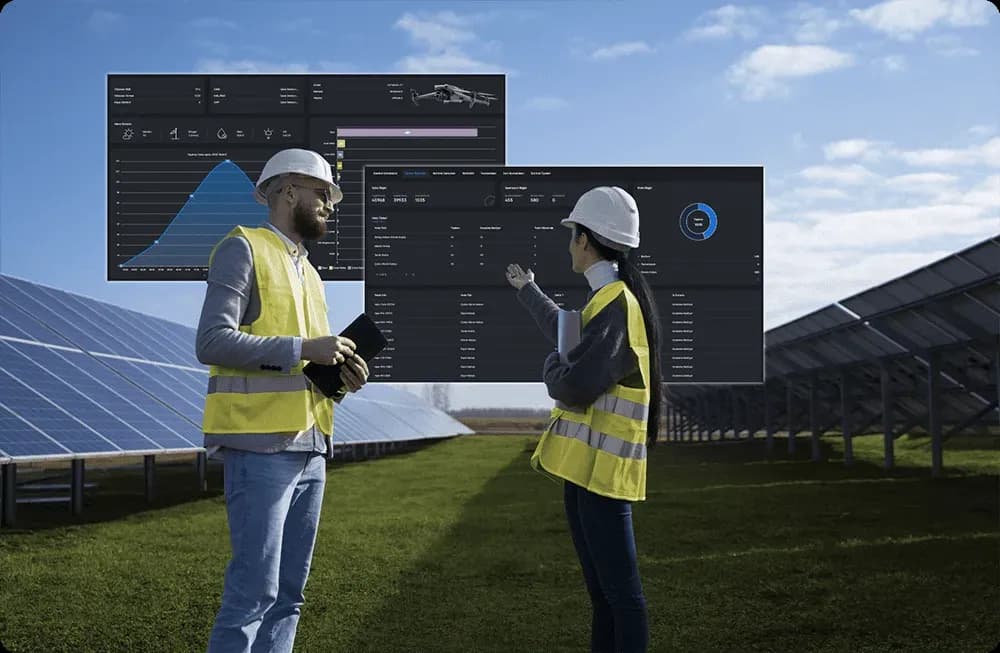
Solar power plant operation and maintenance combines performance monitoring, preventive work, condition-based inspection and corrective repair. Its purpose is to keep the plant safe and available, identify avoidable energy losses and document the response. A useful O&M plan defines who acts, what triggers action and how successful completion is verified.
Panel Cleaning and Soiling Assessment
Soiling from dust, sand and bird droppings can reduce energy yield. Set cleaning frequency using site conditions, measured losses and manufacturer instructions rather than a universal calendar. Check water quality, access and cleaning methods so the intervention does not damage modules or create an electrical hazard.
Regular Equipment Maintenance
Other equipment in solar power plants should also be regularly maintained. Inverters, transformers, cables and other equipment should be checked regularly and repaired when necessary. It is important to increase efficiency and extend the life of the equipment.
Operational Data Collection and Analysis
Data collection and analysis is needed to improve the efficiency of solar power plants. Data can be used to monitor the performance of panels and energy production. The data can help to regularly check the panels and repair them when necessary. Aerial thermography and MapperX software can be used to improve the efficiency of solar power plants. MapperX uses AI-assisted analysis with human review to identify thermal anomalies and potential faults in solar power plant data. Results depend on survey conditions, data acquisition and validation; thermal anomalies alone do not confirm every defect or its root cause. By mapping the data, the software provides reports to business managers to support decisions on necessary interventions.
O&M can reduce avoidable downtime and support asset life, but it does not guarantee maximum efficiency, uninterrupted generation or a shorter payback period. Weather, component condition, grid constraints and repair decisions all affect the outcome.
Operation and maintenance can be categorized into two main categories:
Preventive Maintenance: Preventive maintenance includes regular maintenance, cleaning and overhaul of the solar power plant. This maintenance is done to detect and prevent potential problems in the system in advance. Preventive maintenance should be performed on a routine basis and should be carried out before any outages occur.
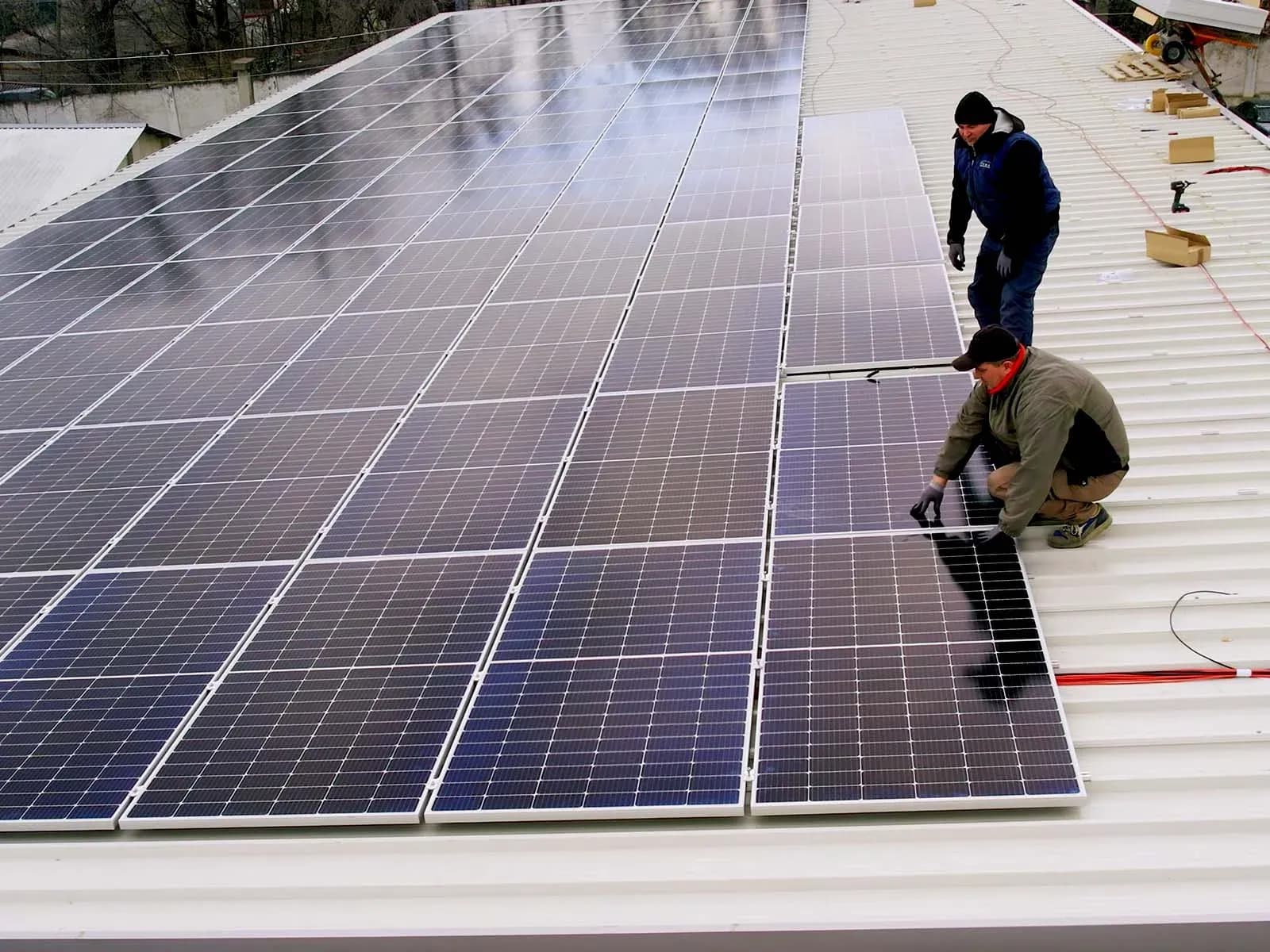
Preventive maintenance may include
- Manufacturer-approved cleaning where site measurements justify it.
- Inspection of accessible cables, connections and enclosures.
- Checks of monitoring and data-logging equipment.
- Scheduled electrical measurements by qualified personnel.
- Task frequency based on the equipment manual and site risk assessment.
Corrective Maintenance: Corrective maintenance is performed to detect and fix the malfunctions of the system. This maintenance is performed when there is any malfunction or outage in the solar power plant. Corrective maintenance should be performed by technical personnel who can detect system malfunctions.
Corrective work may include replacing verified defective components, correcting wiring faults or repairing equipment under manufacturer-approved procedures. Do not assume cracked PV glass or damaged encapsulation can be safely restored by an improvised field repair.
Set the maintenance plan around site risks, manufacturer requirements and operating evidence. Review it after major weather events, recurring alarms or changes to the plant; routine inspections cannot prevent every failure.
Thermal Drone Inspections for Operation and Maintenance in Solar Power Plants
PV generation varies with sunlight and weather. Heat, humidity, dust and wind can affect modules and balance-of-system equipment. Thermal surveys help identify suspect patterns during suitable operating conditions, while ground inspection and electrical measurements address issues not visible from the air.
Thermal drone inspections record apparent surface-temperature patterns at the survey time. They support fault screening but do not directly measure annual energy production or establish every root cause. Evaluate them alongside plant monitoring and field checks.
The images obtained during thermal drone inspections are analyzed and reported in MapperX software using AI-assisted analysis with human review. The software identifies thermal anomalies and potential malfunctions and provides a detailed report to business managers. Results depend on survey conditions, data acquisition and validation; thermal anomalies alone do not confirm every defect or its root cause. These findings support timely investigation and necessary interventions, which can improve uptime and efficiency. Visit the website to learn more about “Thermographic Inspection (Source) of Solar Power Plants”.
Build an O&M schedule around triggers and ownership
Separate routine monitoring from scheduled site visits and event-driven work. Review alarms and missing data according to the operating agreement; schedule preventive tasks around manufacturer requirements and local conditions; trigger additional checks after storms, unexplained outages or repeated underperformance. The NREL O&M best-practices guide provides a framework for planning, documentation and safety rather than one cleaning interval for every site.
- Assign ownership: identify who reviews alarms, authorizes electrical work, manages spares and accepts completed repairs.
- Prioritize safety first, then availability and recoverable energy. A hot connector and a lightly soiled module should not automatically receive the same response.
- Create a usable work order: include the asset identifier, map location, supporting images, symptoms, operating conditions and proposed verification.
- Close the loop: record the confirmed cause, parts used, technician action and post-work checks. Compare performance under suitable conditions rather than assuming a completed visit restored production.
Retain commissioning records, equipment manuals, warranties and an updated single-line diagram with the maintenance history. This makes recurring faults easier to investigate and avoids repeating measurements because the previous evidence cannot be traced. For thermal findings that need diagnosis, consult solar energy system failure types.
Frequently asked questions
What should trigger an unscheduled solar plant inspection?
Examples include a major storm, a protective trip, a persistent unexplained yield shortfall, recurring inverter alarms or visible damage. The response should reflect safety risk and the site’s operating procedures.
How can an operator confirm that maintenance recovered energy?
Compare before-and-after output with irradiance, temperature, operating availability and curtailment accounted for. Raw daily kWh alone can mislead when weather changes.
What belongs in a maintenance handover?
Include asset location, the original symptom, evidence, confirmed cause, work performed, replaced parts and verification results. Keep unresolved findings visible rather than closing them merely because a site visit occurred.