
Thermal Drone Inspection Mistakes to Avoid
Common thermal drone inspection mistakes in solar PV: poor irradiance, wind, reflections, wrong flight geometry, focus issues and overinterpreting thermal data.
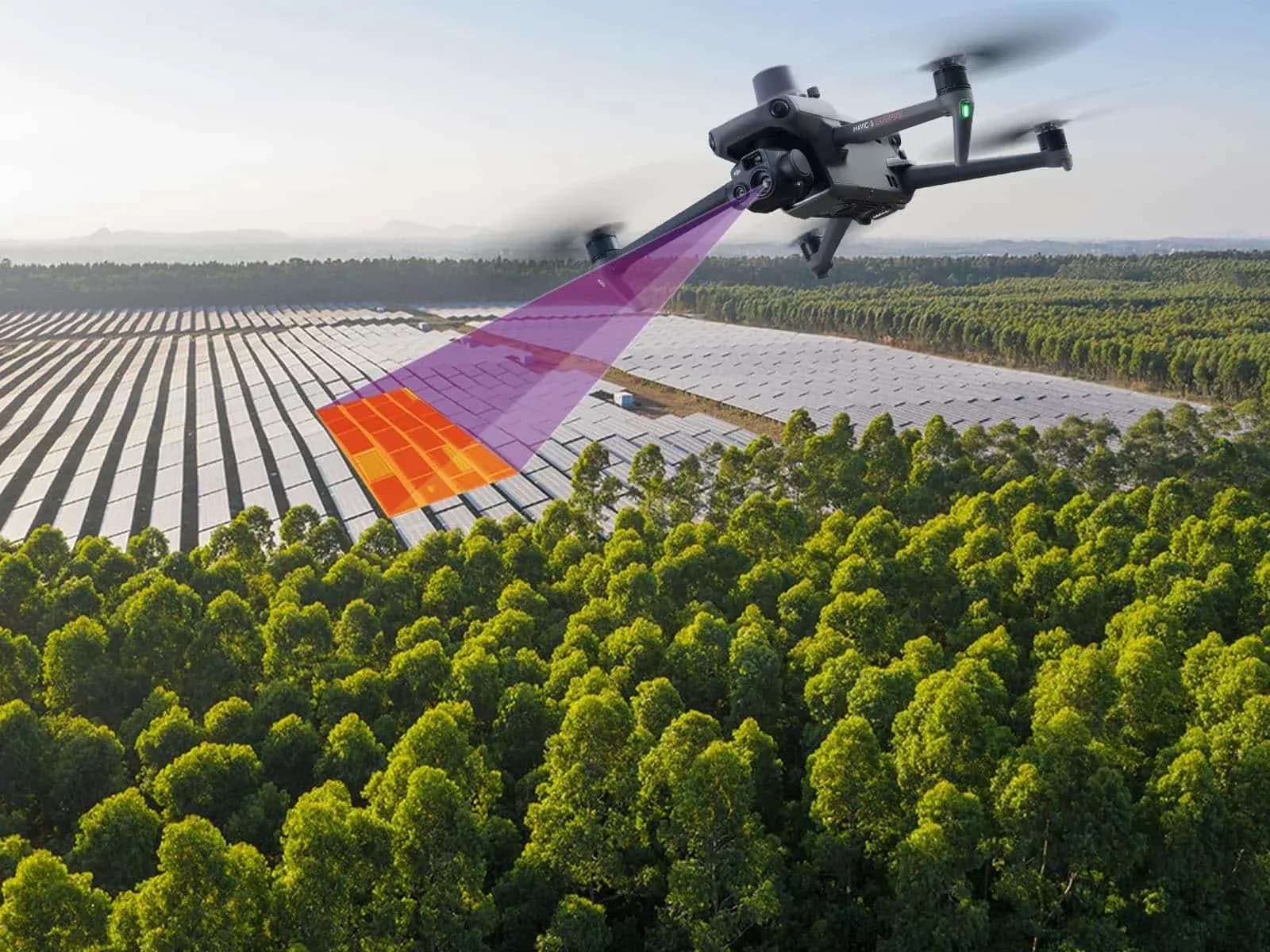
The most consequential thermal drone inspection mistakes are collecting unusable images, mistaking reflections for defects and treating a temperature pattern as a confirmed electrical diagnosis. A reliable solar PV survey combines trained personnel, suitable equipment, safe flight planning, documented operating conditions and a report that separates observations from verified faults.
Five Mistakes to Avoid
1- Lack of Expertise and Training: Inspection operations with thermal drones in solar power plants is an area that requires expertise and training. The people who will carry out the inspection procedures must have sufficient training and experience. Otherwise, it may cause incorrect results and erroneous reporting.
2- Improper Use: The correct use of thermal drones is very important. During the inspection process, the drone must be flown at the right height and from the right angle. Improper use can lead to incorrect measurements and erroneous results. Giving the drones the wrong angle can degrade the quality of the images captured from the air. In particular, the reflective surfaces of solar panels point towards the camera, causing data to be misinterpreted.
Choose the camera angle relative to the module surface, not simply a fixed downward gimbal setting. A vertical camera is not automatically perpendicular to a tilted panel, and a perpendicular view can reflect the drone or sky. Inspect sample frames and adjust geometry to limit reflections and self-shadowing while retaining the required module detail.
3- Choosing the Wrong Device: The equipment used in solar power plants can have different sizes and structures. It is very important to choose the right device, choosing the wrong device can prevent accurate results from being obtained.
4- Incorrect Reporting: It is very important to accurately report the data obtained during inspections with thermal drones. Reporting should be done professionally and accurate results should be presented. Incorrect reporting can lead to incorrect results and erroneous decisions.
5- Lack of Security: Safety precautions must be taken during inspections with thermal drones in solar power plants. Since there is a risk of the drone crashing or falling, the safety of the people around should be ensured.
In order to prevent the above-mentioned mistakes, the people who will carry out the inspection procedures must have adequate training and experience, the right device must be selected, the correct data collection and reporting procedures must be carried out, safety precautions must be taken and the devices must be regularly maintained.
Equipment and Capture Practices for Reliable Thermography
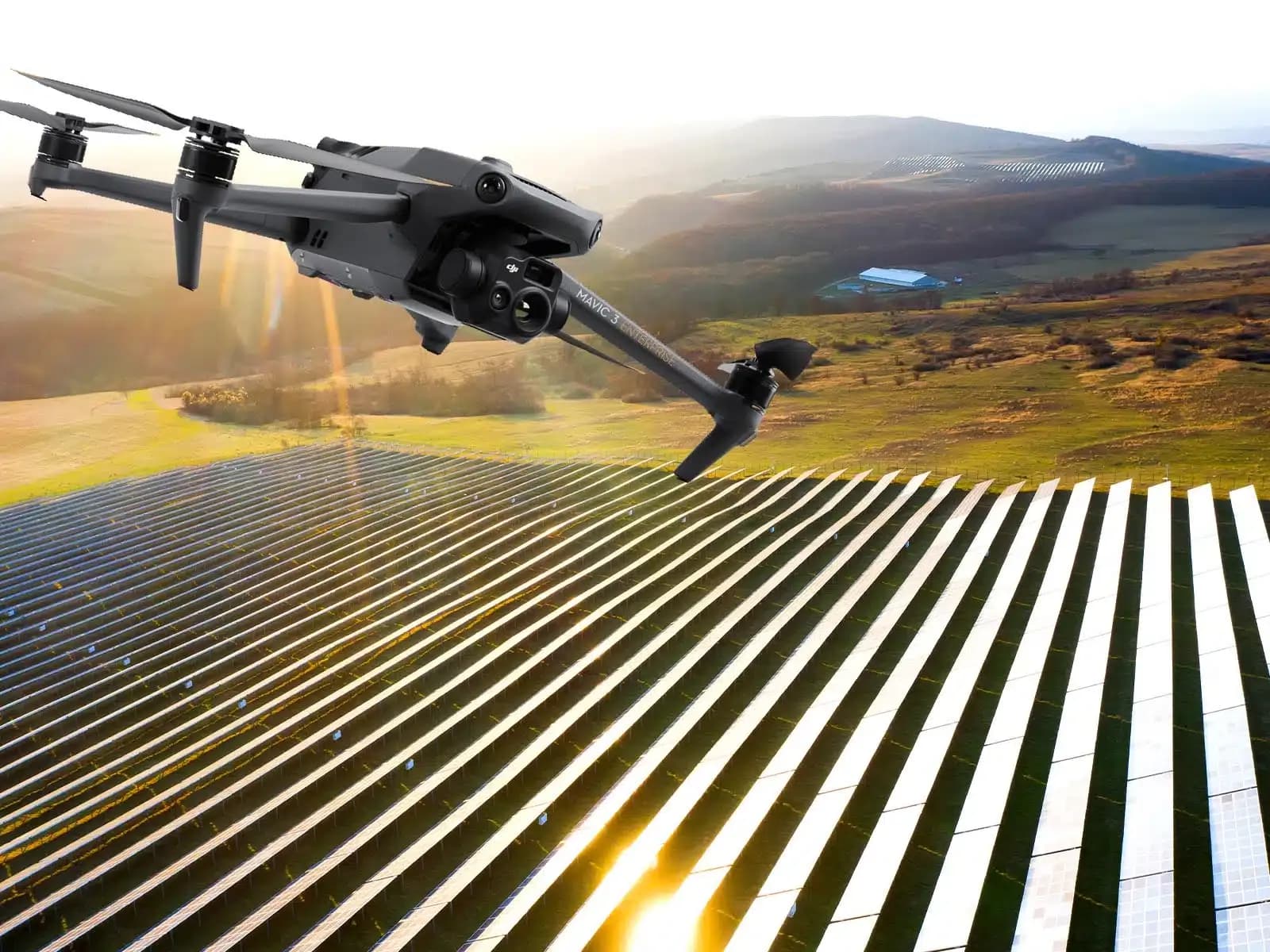
Conducting solar inspections with aerial thermography is one of the most effective methods for solar companies today. Aerial thermography must be performed by a qualified drone expert; data accuracy also depends on inspection conditions, acquisition quality and validation.
Thermal imagery shows abnormal surface-temperature patterns. Paired visual images can reveal debris, shading or visible damage, but thermography does not directly reveal every cell crack. The IEA PVPS review of infrared and electroluminescence imaging explains the complementary roles of these methods.
Drones can cover large arrays without walking every row, but unsuitable weather, restricted access or poor image geometry can make an aerial survey inconclusive. Ground inspection remains necessary for findings that aerial data cannot resolve.
A successful thermal drone inspection requires quality equipment and technology. Equipping drones with high-resolution cameras and thermal sensors is crucial for obtaining accurate and precise results.
It is also important to fly the drone at the right angle during the inspection. Drones flown at the wrong angle can encounter the reflective surfaces of solar panels, which can cause inaccurate data. Correct programming of drones is another important factor. Drones should be programmed for different weather conditions and environmental factors.
Benefits of Thermal Drone Inspections in Solar Power Plants
A thermal drone survey records conditions during a flight; it is not continuous plant monitoring. Compare repeat inspections with inverter or monitoring-system records to identify persistent issues and assess whether corrective work improved operation.
Thermal drone inspections can identify temperature differences in solar panels by providing high-quality images. This provides businesses with more accurate data and helps them make the right decisions.
MapperX organizes inspection imagery into mapped findings and reports for maintenance review. Software analysis depends on the quality and completeness of the input images and does not replace technical verification.
Use reports to assign follow-up work and retain evidence of repairs. Schedule repeat flights around site history, incidents and maintenance needs rather than assuming a survey predicts every failure. See how often solar plants should be inspected by drones.
When to Pause or Repeat a Thermal Survey
Make the go/no-go decision using the images and plant state as well as the weather forecast. Confirm that the inspected array is operating, record irradiance and wind conditions, and note curtailment or disconnected sections. An unusual pattern from an intentionally isolated string must not be reported as an unexplained fault.
- Pause when moving clouds cause rapidly changing thermal contrast; compare reference modules before resuming.
- Re-fly blurred, poorly framed or reflection-dominated rows while still on site. Zooming into a low-detail image later cannot recover missing measurement detail.
- Check original thermal files, corresponding visual images and row coverage before demobilization. Preserve rejected areas as explicit coverage gaps rather than silently omitting them.
For each suspected anomaly, retain its module or row identifier, original image, comparison area and recommended next check. The IEC 62446-3 catalog scope covers outdoor PV thermography equipment, conditions, procedures and reporting; citing the document alone does not establish compliance.
Frequently asked questions
Can a hot reflection look like a faulty cell?
Yes. Reflected radiation can create an apparent hot area. Review the paired visual image and, when safe, observe the module from a different angle; a changing reflection is not evidence of a stable cell defect.
Should images taken under different conditions be compared directly?
Not by displayed color or absolute temperature alone. Check irradiance, wind, plant operating state, viewing geometry and image settings, and document differences before interpreting a change as deterioration.