Detailed Thermal Inspection of PV Panels
Detailed thermal inspection of PV panels: drone thermography, anomaly mapping, electrical verification, IEC 62446-3 reporting and maintenance follow-up.

A detailed thermal inspection of PV panels combines aerial infrared imagery, visual context, mapped anomaly locations and targeted electrical verification. The goal is to document where abnormal temperature patterns occur, assess their significance and give O&M teams a traceable path from detection to field confirmation and maintenance.
Autonomous Thermographic Inspection
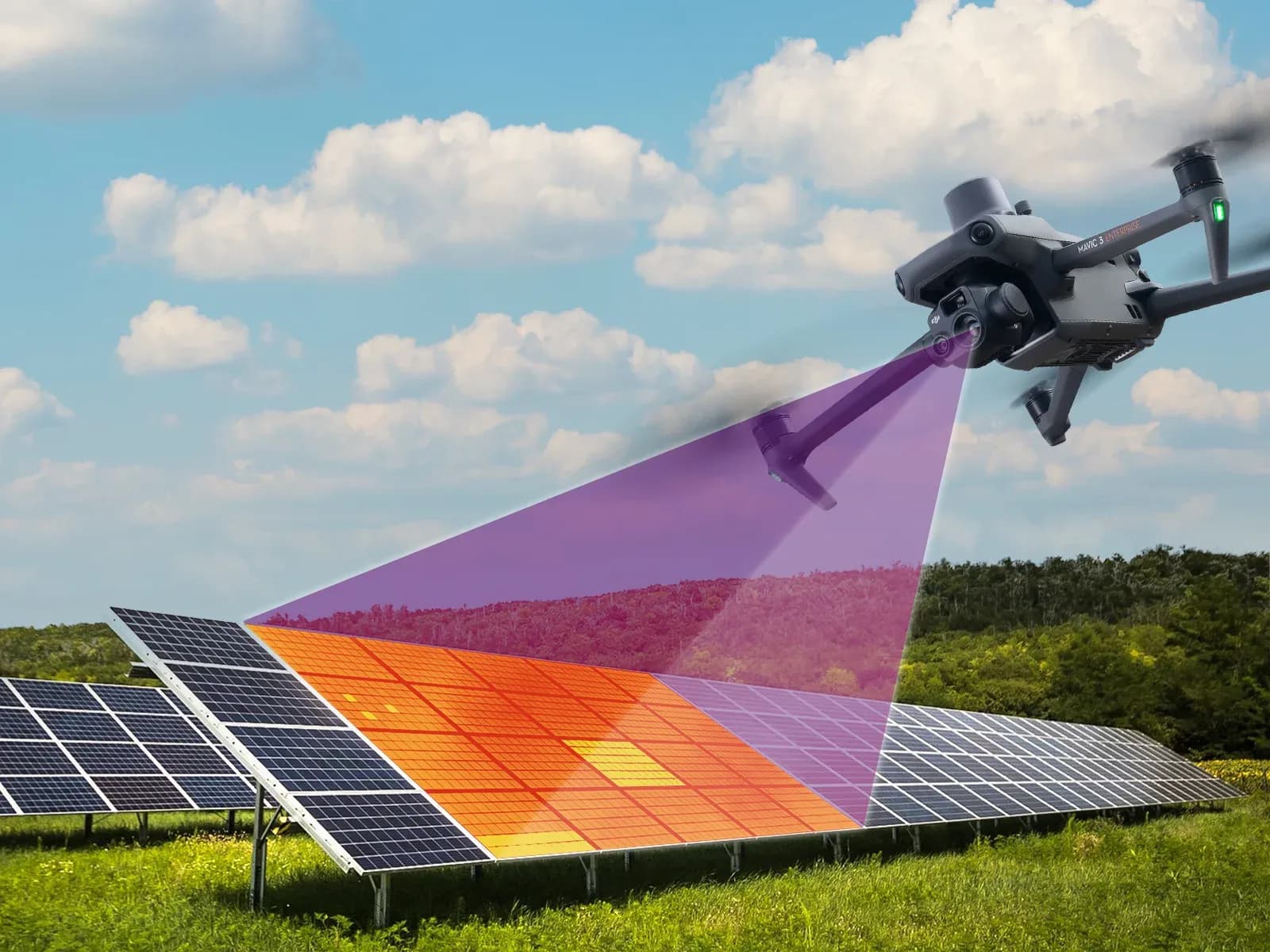
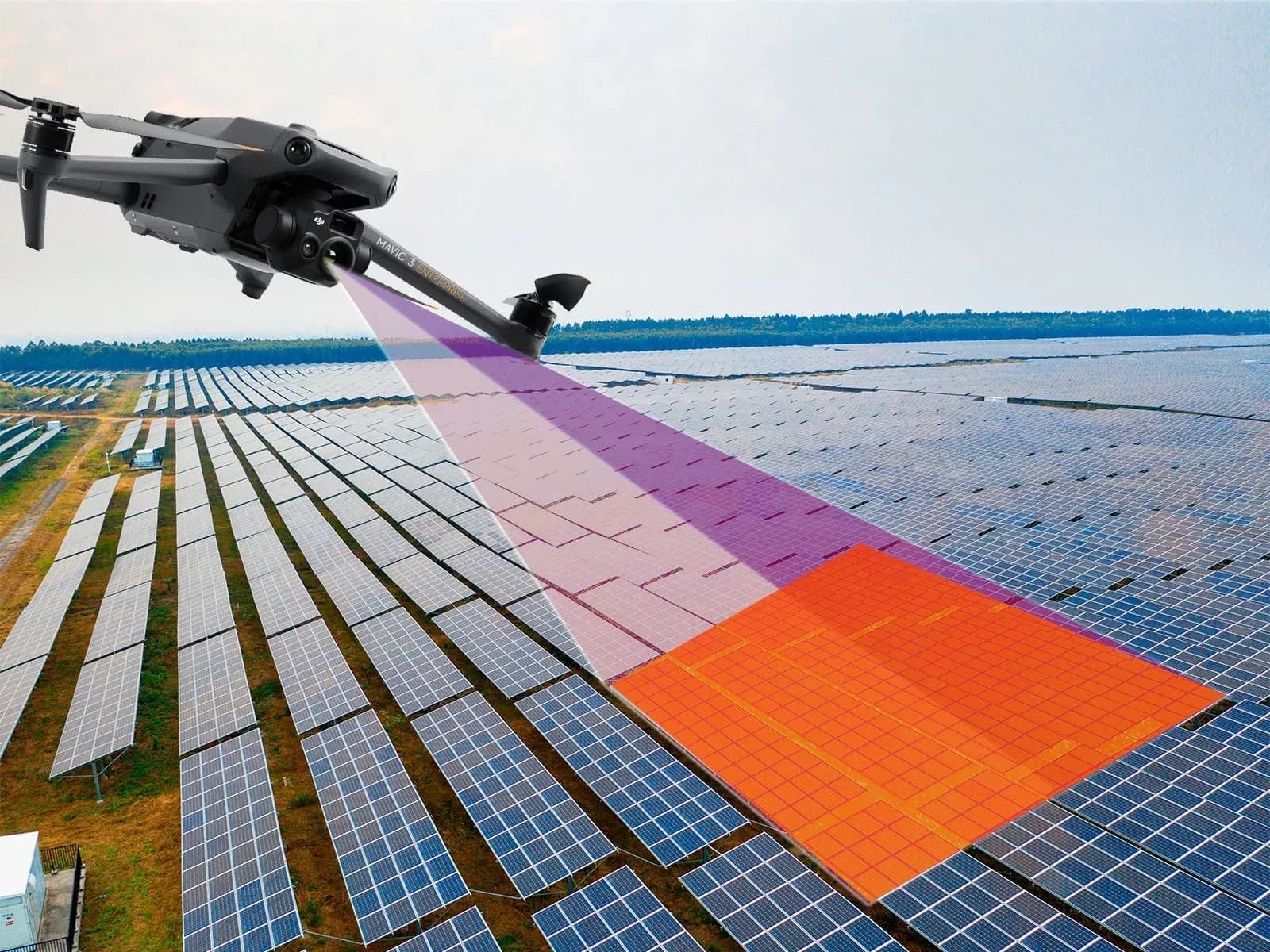
Traditional thermographic measurement is slow and costly when locating faulty panels and components. With MapperX, drones map your plant and create a digital twin you can inspect on-screen, helping target on-site diagnostics.
Autonomous Anomaly Detection
Manual thermal review is slow at telling defective modules apart. MapperX uses autonomous analysis to flag and classify thermal anomalies, supporting IEC 62446-3 inspection workflows. Root causes may require on-site verification or electrical testing.
Reporting for IEC 62446-3 Inspection Workflows
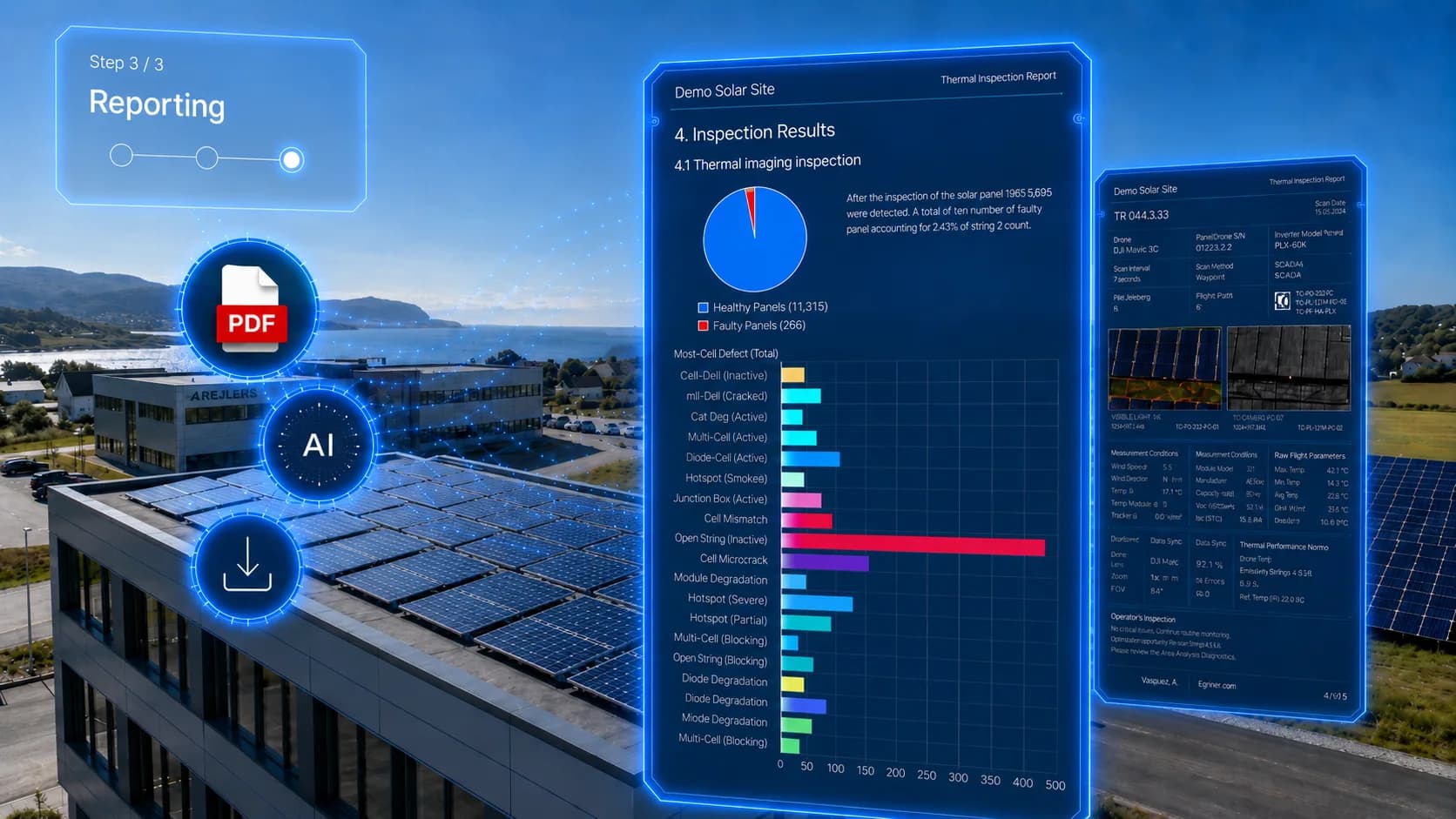
Inspection and audit reports from multi-discipline teams support informed O&M decisions. MapperX generates reports for IEC 62446-3 inspection workflows from analyzed campaign data, with advanced filtering and your own logo.
MapperX Studio: Electrical Infrastructure & Digital Twin
MapperX Studio is where you add and manage inverters, transformers and electrical infrastructure. Build a digital twin of the plant, number strings and panels, and plan every component in detail.
Team Members & Assignment
Assign tasks to members, manage them from one platform and monitor performance, optimizing both team and plant.
Scan Serial Numbers and Act Instantly
Warranty claims and asset records depend on capturing panel and inverter serial numbers quickly and accurately. MapperX scans and records serials with your phone camera, with no extra hardware, which can help save time and improve accuracy.
Hardware and Integration Scope
Confirm supported aircraft, firmware, thermal files and the integrations available for the selected deployment. Flight permissions and a competent operator remain necessary. SCADA connectivity and unattended docking missions must be agreed explicitly; they are not implied by uploading drone images.
Detailed evidence for every team responsible for plant condition
Utility-scale operators
Inspect large module populations and retain detailed evidence for relevant anomalies. Cell-level interpretation depends on the sensor, optics, flight geometry and image quality resolving the cell area adequately.
Inspection and O&M teams
Standardize classification, hand findings to field crews and confirm completed maintenance.
Warranty and quality teams
Connect serial numbers, thermal evidence and electrical verification when documenting claims.
Asset owners
Compare inspection history and use traceable evidence when prioritizing maintenance budgets.
What a Detailed Solar Panel Thermal Inspection Includes
A complete inspection links thermal observations to the physical PV layout. The workflow should preserve module location, visual evidence, temperature pattern, anomaly classification and follow-up test results needed to support a maintenance decision.
- Thermal and visual image acquisition
- Module or cell-level anomaly location
- Mapped inspection evidence
- Anomaly classification and prioritization
- Electrical or visual verification where required
- Report and maintenance follow-up
Drone Thermal Data Collection for PV Panels
Thermal drone inspection can cover large PV sites faster than module-by-module ground screening. Useful data still depends on appropriate irradiance, wind, viewing angle, focus, flight altitude and image overlap. Poor acquisition conditions cannot be repaired later by software alone.
Cell-Level Anomaly Mapping and Visual Context
Thermal patterns are most useful when tied to a verified module location. Cell-area interpretation is appropriate only when the sensor and flight geometry resolve that detail. MapperX combines thermal and visual evidence with the plant layout to help reviewers preserve locations for field work.
Electrical Verification After Thermal Inspection
A thermal anomaly identifies an abnormal temperature pattern; it does not automatically prove the electrical root cause. Depending on the finding, technicians may use visual inspection, voltage and current measurements, IV curve tracing or other field tests to confirm the condition.
IEC 62446-3 Reporting and Maintenance Follow-Up
IEC 62446-3 covers outdoor PV thermography, including equipment, inspection procedures, interpretation and reporting. A useful report records conditions, mapped findings and classifications, with evidence supporting any claimed inspection method. Maintenance follow-up should track field verification, repair and reinspection.
Agree the Depth of Inspection Before Acquisition
“Detailed” should describe the evidence and interpretation delivered, not just the number of images. Agree whether the assignment covers every accessible module, selected problem areas or balance-of-system equipment. Identify the minimum feature size that must be resolved and the records needed to distinguish a suspected issue from a confirmed defect.
- Coverage: list inspected assets, exclusions and images unsuitable for evaluation.
- Measurements: state the ΔT reference, operating state and relevant camera settings.
- Interpretation: separate observed pattern, suspected cause, confidence and maintenance priority.
- Follow-up: name the proposed verification method and keep its outcome with the original finding.
Before replacing a module, check whether the evidence supports replacement or a different action such as cleaning, connection investigation or further testing. I-V curve tracing can help investigate electrical underperformance, but the chosen test must match the suspected condition and safe working procedure. After repair, retain a comparable observation or test result showing what changed. A photograph of completed work alone does not establish that the original issue has been resolved.
PV Thermal Inspection FAQ
What does a thermal inspection of solar panels detect?
It detects abnormal temperature patterns that can indicate modules or areas requiring closer review. The pattern must be interpreted in context and may require electrical or visual verification.
Can a drone inspect every panel in a solar farm?
A properly planned drone survey can image the full accessible array rather than relying on a small manual sample. Coverage and usable detail depend on flight plan, sensor, site geometry and environmental conditions.
Does a thermal hot spot identify the exact electrical fault?
Not by itself. A hot spot is a thermal observation. Electrical measurements, visual inspection or IV curve tracing may be needed to confirm the root cause.
What should a PV thermal inspection report contain?
It should document acquisition conditions, mapped findings, relevant thermal and visual images, classifications and enough location information for verification and maintenance follow-up.
How is detailed thermography different from a quick aerial screen?
A quick screen locates candidate patterns. A detailed assignment should specify the measurement context, interpretation, exclusions and follow-up evidence needed for the intended decision; flight coverage alone does not establish that depth.
Can a thermal report alone prove a warranty claim?
Not necessarily. The warranty provider may require serial numbers, installation records, electrical tests or additional evidence. Agree the required claim package before the inspection and preserve original files.