Thermal Imaging Inspection Software for PV Plants
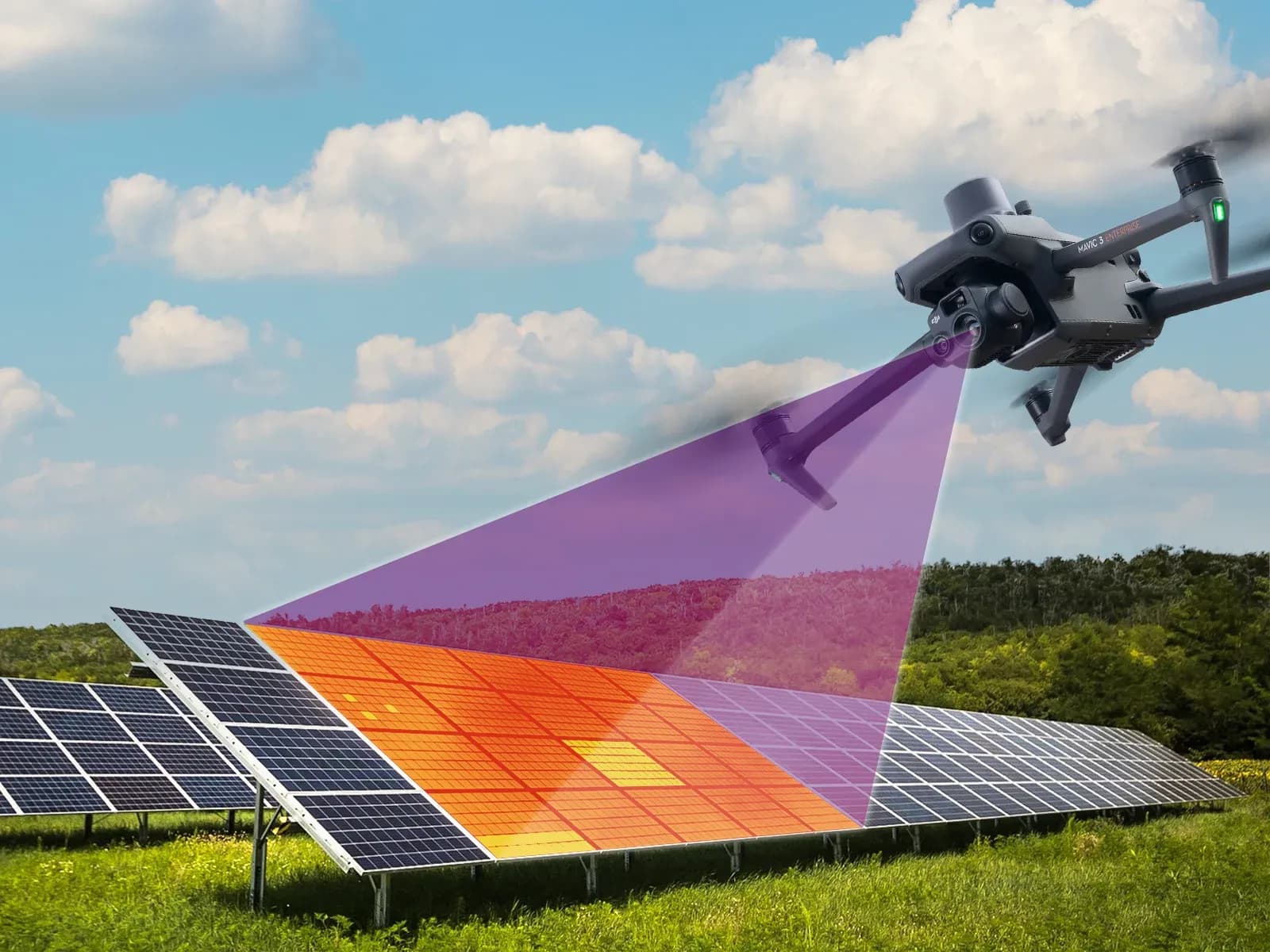
Thermal imaging inspection software for photovoltaic plants: organize drone thermography, map anomalies, review evidence and generate PV inspection reports.
Fundamental Principles of Thermal Imaging Standards
Thermal imaging inspection software for PV plants organizes infrared measurements, visual context and mapped findings for technical review. IEC 62446-3 covers outdoor thermographic inspection of operating PV systems, including equipment, inspection procedures and reporting. A software label or preset does not establish that an inspection meets the specification.
- Defines core thermal analysis terminology
- Establishes baseline conditions for valid IR measurements
- Supports consistent evaluation using a documented method
- Standardizes temperature deviation interpretation
- Supports repeatability when acquisition conditions are comparable
- Supports traceability when source records are retained
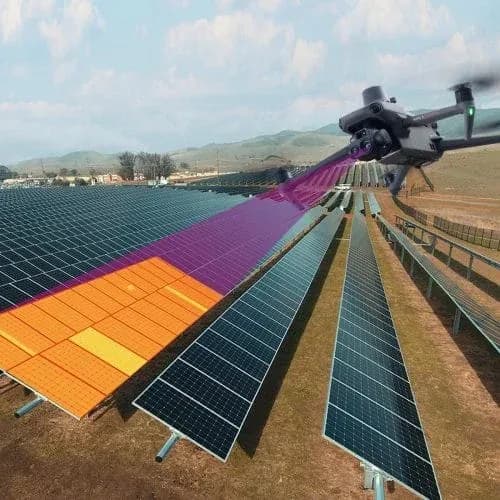
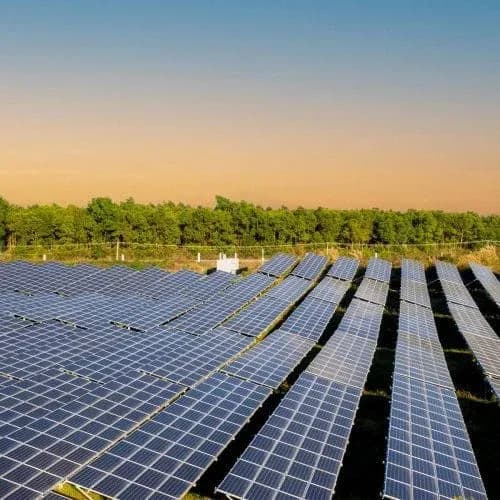
Operational Workflow for Thermal Imaging Inspections
This section explains how thermal imaging inspection software for photovoltaic plants is used during field operations. The process includes environmental checks, drone configuration and image capture protocols tailored to PV modules. These operational steps support reliable thermal datasets; compliance depends on verifying the applicable inspection requirements.
- Record plane-of-array irradiance and confirm suitable conditions
- Assess wind effects on flight safety and module cooling
- Record cloud changes and affected image sequences
- Choose a viewing angle that limits reflected radiation
- Choose image resolution for the target feature size
- Use a readable palette; preserve original temperature data
Importance of Thermal Analysis for PV Plants
Thermal inspection can reveal abnormal surface-temperature patterns associated with underperformance or equipment problems. The pattern guides investigation; it does not establish an exact electrical or structural defect by itself. Confirm findings before selecting repairs.
- Can reveal early stage hotspot formation
- Flags thermal patterns that may indicate inactive or partially failing strings
- Flags possible diode or connection issues for confirmation
- Helps prioritize interventions that may reduce energy losses
- Supports warranty and acceptance inspections
- Improves long term asset performance tracking
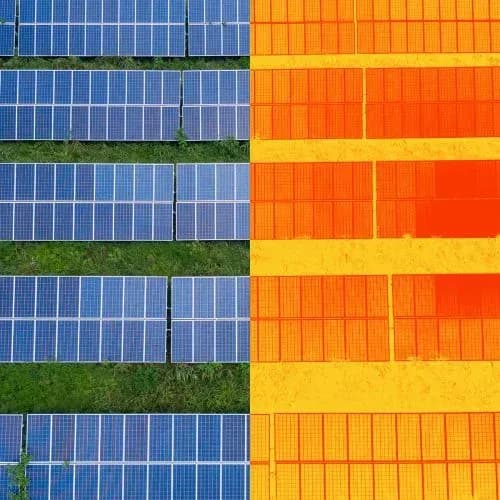

MapperX Thermal Evidence Review
MapperX organizes thermal findings with mapped visual evidence for reporting. Reviewers should check acquisition records and calculation assumptions, record any uncertainty and confirm which tasks are automated. Traceability depends on preserving the underlying files and review history.
- Retains irradiance and wind records for review
- Documents any temperature-difference normalization method
- Records surface-appropriate emissivity assumptions
- Uses explicitly defined anomaly and priority categories
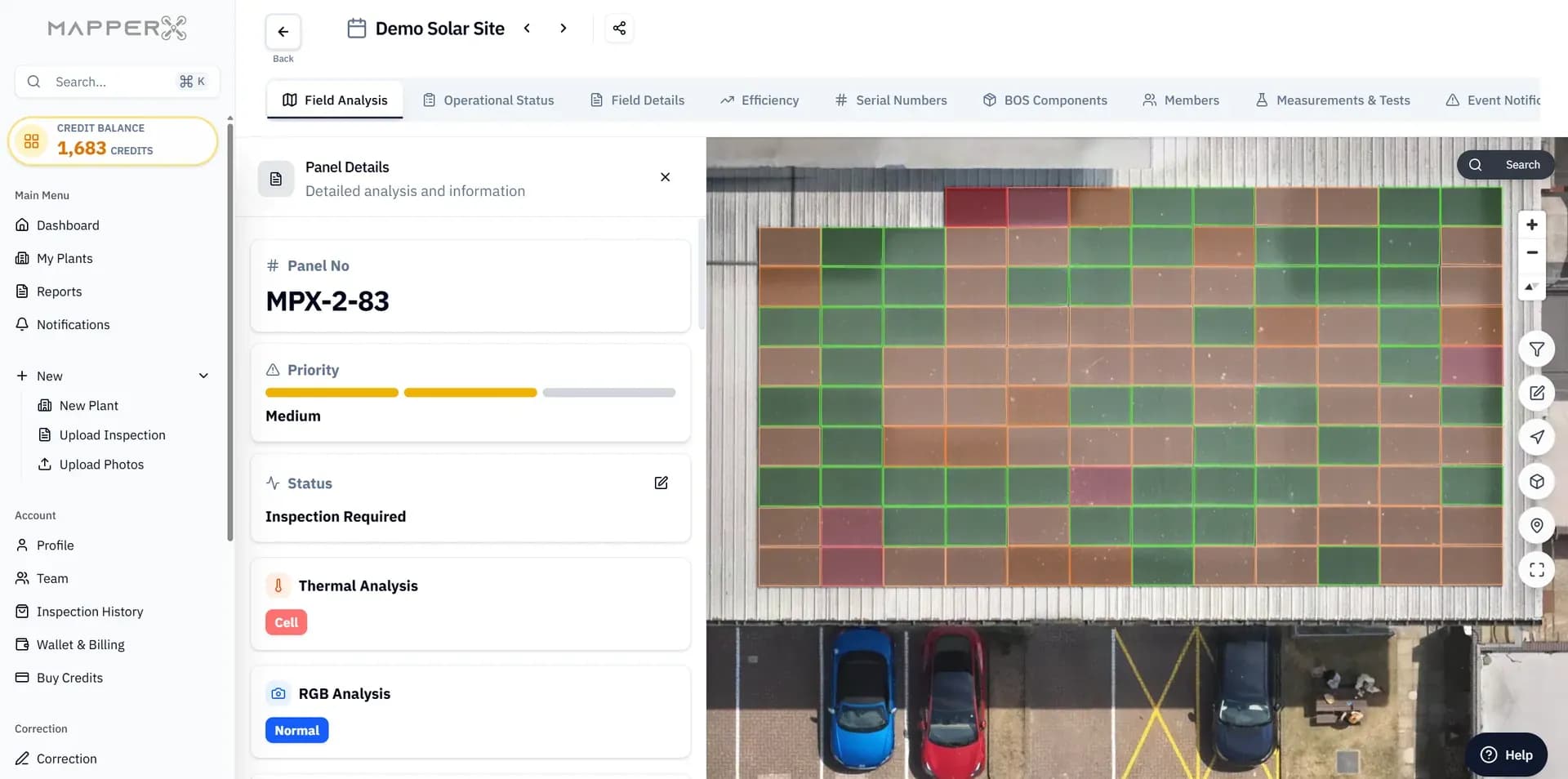
- Links findings to locations verified against the plant layout
- Produces reports with evidence, scope and limitations
Professional User Segments for Thermal Imaging Software
This software is designed for technical teams responsible for inspection, maintenance and performance assessment of solar assets. Different professional groups rely on these tools to support operational quality and safety assessments. The structured workflow supports both field engineers and decision makers.
- O and M technicians
- EPC commissioning teams
- Thermography specialists
- Insurance inspectors
- PV asset managers
- Engineering consulting firms
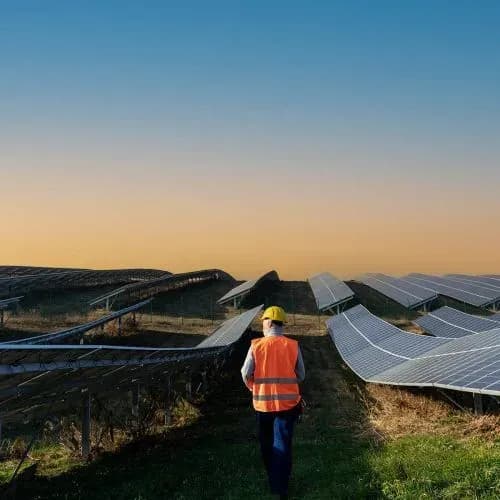
Application Areas Across Photovoltaic Facilities
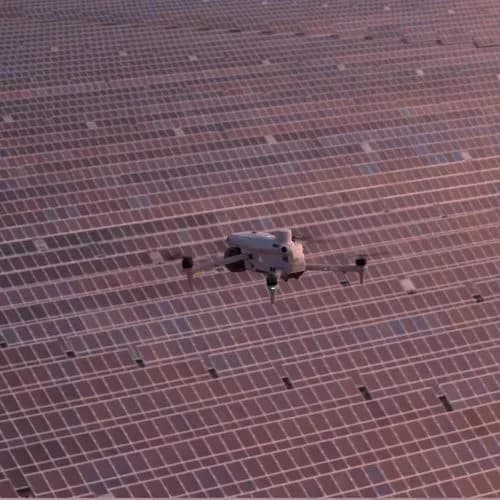
Thermal imaging inspection software for photovoltaic plants is used across a wide range of solar installations. Both utility scale farms and smaller rooftop systems benefit from this structured thermal evaluation. The methodology adapts to diverse climates and installation types.
- Large scale ground mounted PV farms
- Commercial rooftop installations
- Industrial facility solar systems
- Hybrid and microgrid PV structures
- Distributed module based micro systems
- Off grid photovoltaic applications
Solar Panel Inspection Process - Step by Step with MapperX
- Fly Your Drone: Plan a compatible thermal/RGB flight and check a sample dataset.
- Make a Fast and Secure Payment: Confirm the selected service and payment conditions.
- Upload Your Photos: Upload the original image files with location and acquisition details.
- Receive Your Report in Just a Few Clicks: Review the mapped findings and report; assign any required field verification.
Generate your reports in supported languages.
The interface and PDF outputs are available in Turkish, English, German, French, Spanish, Chinese, Japanese, Portuguese, Bahasa Indonesia, Italian, and Dutch.
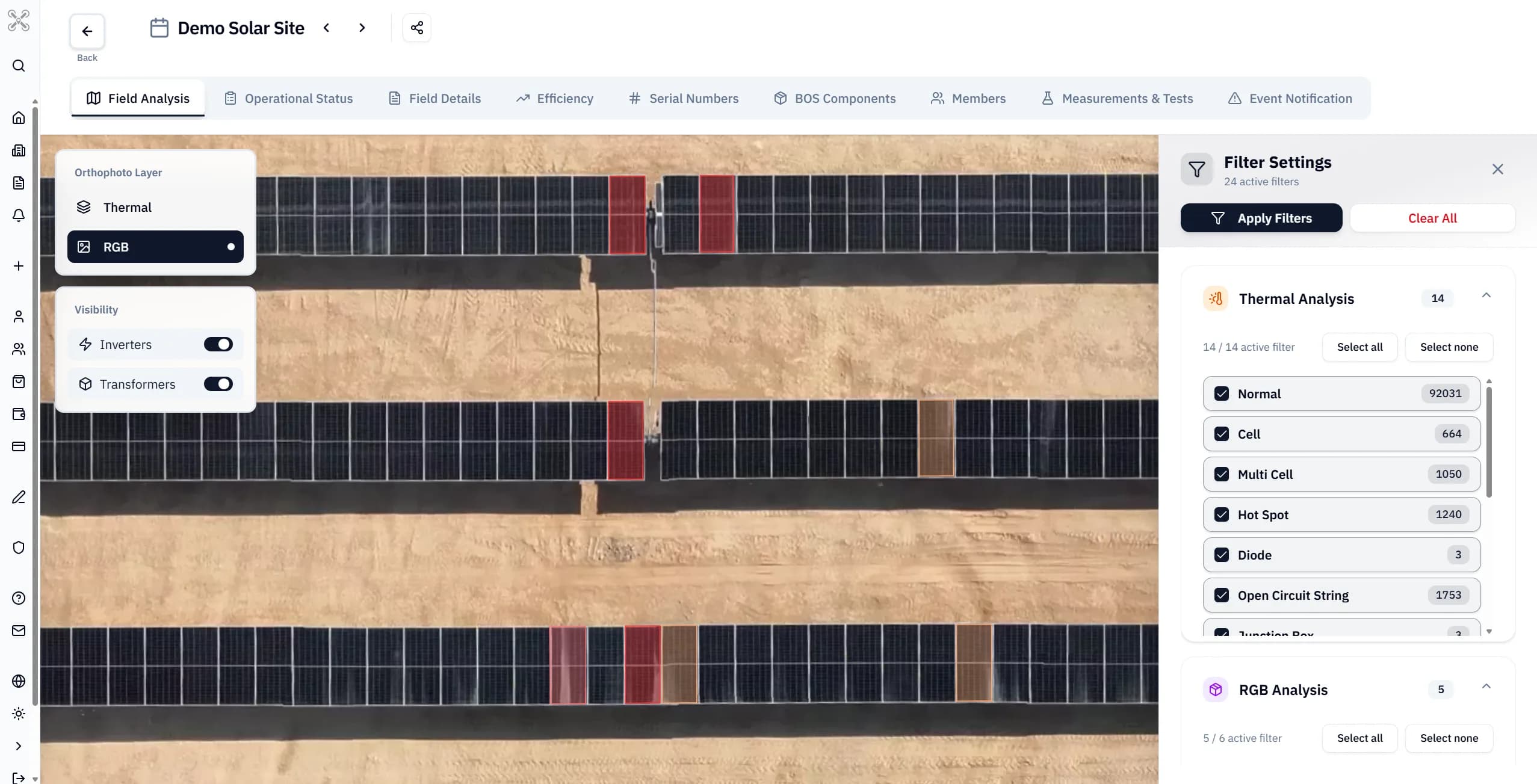
PV thermal imaging inspection software organizes infrared and visual datasets after collection. A useful platform should preserve inspection conditions, map findings to the plant layout, let reviewers inspect evidence and produce traceable reports instead of treating anomaly detection as an isolated AI output.
What to Look for in PV Thermal Inspection Software
For O&M teams, practical requirements include location-aware findings, image review, anomaly classification, report generation, export options and a way to track verification or maintenance. AI can accelerate review, but the workflow still needs transparent evidence for each finding.
Temperature Data Is More Than a Colored Image
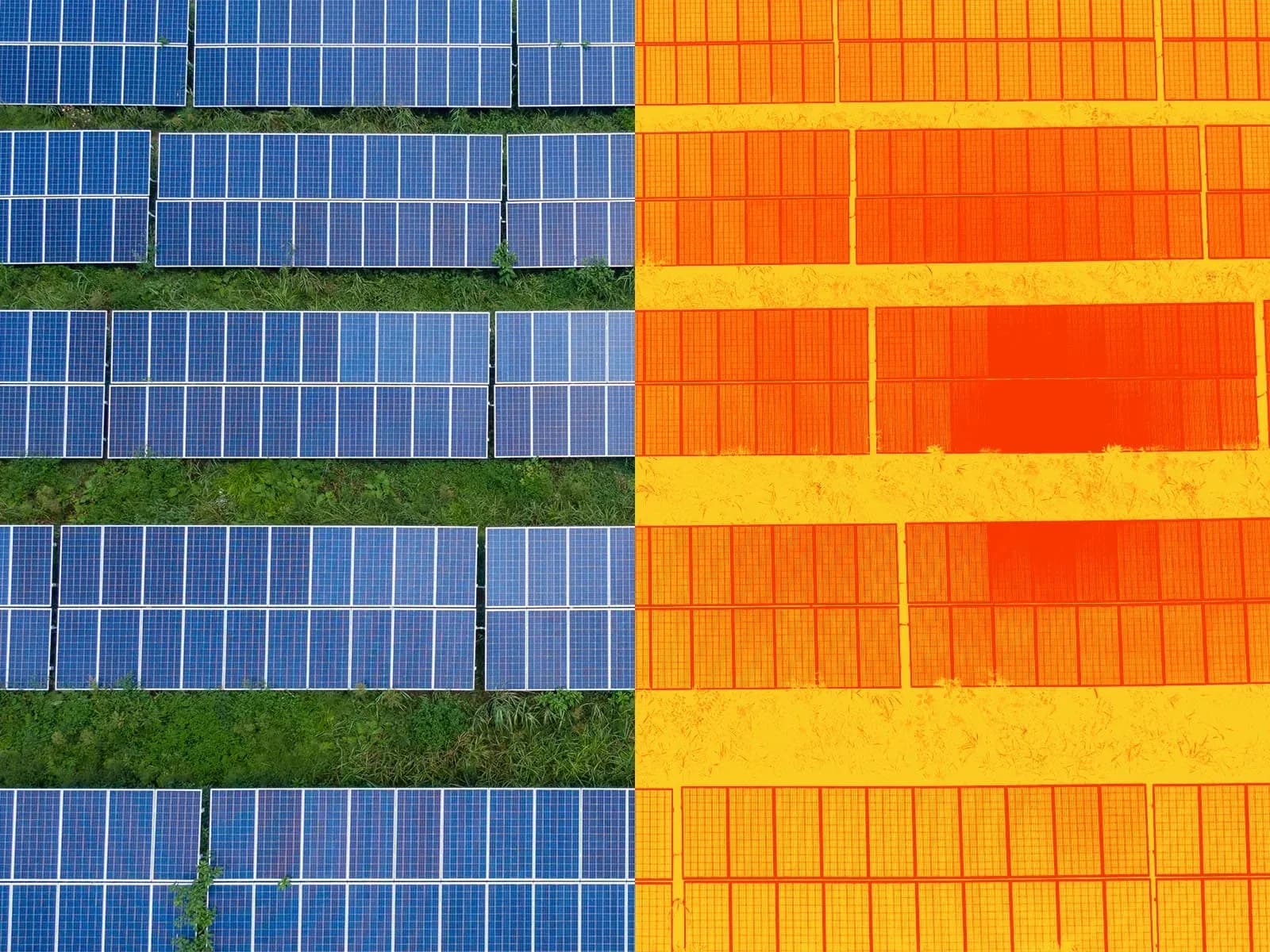
A thermal file retains measurement information that compatible software can use to assess temperatures. A screenshot or colorized preview may show an apparent hot spot without retaining those measurements. Keep the original file and its settings alongside any annotated export; changing the color palette does not increase sensor detail or temperature accuracy.
Before comparing two findings, check the reference used for ΔT, the module’s operating state and whether the images were collected under comparable conditions. Reflections from the sky, nearby objects or the aircraft can change apparent temperatures. Emissivity and reflected-temperature assumptions affect interpretation, so a fixed setting should not be presented as universally correct for every PV surface.
For a disputed finding, review another frame or arrange a repeat observation with suitable geometry. Record an unresolved interpretation rather than forcing a fault label. A detailed thermal inspection should distinguish the observed pattern, the suspected cause and the recommended verification. Electrical underperformance may need I-V curve tracing or other circuit tests; a thermal report is not a substitute for those measurements.
Frequently Asked Questions
Why does irradiance matter for PV thermal inspection?
Sunlight drives module operation and heating. Low or rapidly changing irradiance can weaken or alter thermal contrast, making findings harder to interpret. Record conditions at the module plane and apply the agreed acquisition procedure; one threshold alone does not validate a dataset.
How does it align with IEC 62446-3?
Use an inspection procedure that addresses the specification’s equipment, acquisition, interpretation and reporting requirements. The public IEC catalog defines scope; compliance cannot be inferred from software branding.
What does ΔT represent in PV inspection?
ΔT is a temperature difference between the inspected feature and a stated reference, such as a comparable unaffected area or module. The report should identify that reference and the measurement conditions.
How does MapperX support compliance?
Software can help organize required evidence, but the inspection team must establish the applicable method and verify its implementation. A generated report alone is not proof of compliance.
Can thermal imaging detect electrical failures directly?
No. Thermal patterns can indicate electrical irregularities, but electrical measurements or other field checks may be needed to confirm the cause.
Does AI replace a thermography engineer?
No. AI can assist with detection and organization, while acquisition quality, interpretation and maintenance decisions still require appropriate technical review.
Can an ordinary JPEG be used for temperature analysis?
Only if it actually retains compatible temperature measurement data. A visual JPEG or exported thermal screenshot generally does not. Test the original camera file rather than relying on its extension.
Does a different color palette change measured temperatures?
No. A palette changes how values are displayed. It can make patterns easier to see, but it does not improve spatial resolution or remove measurement uncertainty.